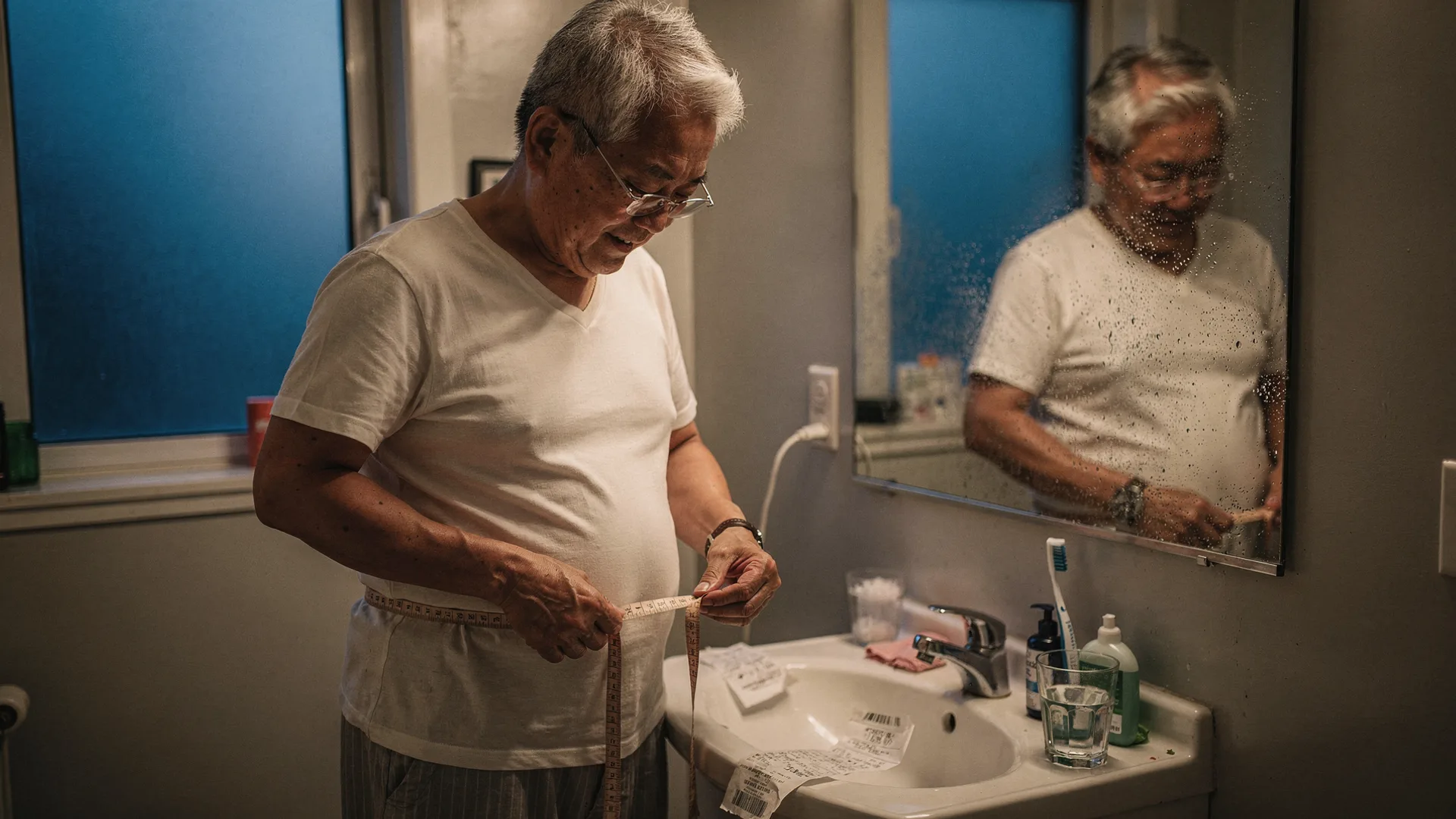
The Revenge Body Dies When the Rage Runs Out
Anger can get you through three months. It cannot build the rest of your life.
Educational content — see our editorial standards.
 Body
BodyReal shit: rage is a pre-workout, not a personality. It hits hard and fast. The divorce papers land, something in you goes cold and furious, and suddenly you are at the gym at 6 a.m. with a focus you have not felt in years. The anger burns clean at first. It gets you out of bed, under the bar, out the door on the cold mornings. For about three months you are a machine, and you mistake the fuel for the engine. That is the whole problem. Rage is a fantastic accelerant and a terrible foundation.
Every man who has trained on pure spite knows the specific high of it. You are not lifting for yourself. You are lifting at someone. Every rep is a message you will never send, every drop of sweat is proof you are going to be fine, better than fine, and they are going to see it. It works, for a while, because anger is a powerful stimulant. But stimulants have a half-life, and this one is shorter than you think.
Why divorce makes the gym feel easy at first
Right after a split, the gym is almost a relief, and there is a real reason for it. Your life just detonated and most of it is out of your control, the custody schedule, the house, the version of the story going around. But the barbell is fair. It does exactly what the numbers say. You add five pounds, you can lift five pounds. In a season where nothing else obeys you, that clean cause-and-effect is a drug. The gym becomes the one room where you are in charge, and you go there partly to feel that.
The anger sharpens it further. It gives you a reason and a target and a surge of energy that makes hard things feel easy. So the early weeks are deceptively good, and you conclude you have finally cracked discipline, that this time is different. What you have actually done is borrow a bunch of motivation from an emotion that is, by its nature, temporary. You built momentum on a loan. The bill comes due when the emotion fades, and it always fades.
The Baseline Audit
Stop guessing what changed.
Ten questions on energy, sleep, weight, libido, recovery, stress, and goals — about three minutes. Then use the read to decide what to raise with a qualified clinician.
Take the Baseline AuditThe crash when the enemy disappears
Here is the part that ambushes men. One day you notice you are not angry anymore. Time did its slow work, you moved on more than you realized, and the rage that was driving the whole operation just quietly evaporated. And instead of relief, you feel the floor drop out of your training. The workouts that felt urgent now feel pointless. The 6 a.m. alarm loses its teeth. You skip a day, then a week, and you cannot figure out why, because you healed and you thought healing was supposed to help.
The reason is brutal and simple. You built the entire structure on top of an emotion, and when the emotion left, the structure had nothing underneath it. The revenge body does not die from a lack of discipline. It dies from success, the emotional success of getting over it. You outgrew your own fuel source and never installed a replacement. That is not a willpower failure. It is a design flaw, and it was baked in from the first angry rep.
If your plan requires staying angry, it is not a plan. It is a hostage situation.
Sit with that, because it exposes the real cost. To keep a revenge plan running, you have to keep the wound open on purpose. You have to keep feeding the resentment, keep them living rent-free in your head, keep tying your effort to a person you claim you want out of your life. That is not freedom. That is a hostage situation where you are both the captor and the captive, and the ransom is your own peace. No physique is worth staying chained to the worst year of your life.
Revenge is too small a reason
The deeper problem is that revenge is just too small a reason to organize a body around. It points backward, at a person, at a past, at a version of you that got hurt. But the body you are building is going to live in your future, with your kids, on your terms, for decades after that person is a footnote. Anchoring all of it to spite is like building a house and pointing every window at your neighbor's yard. Eventually you want the house to be about your life, not theirs.
The men who last are the ones who quietly swap the reason out before the anger dies. They start training because they slept better and liked it, because they want to be the dad who plays, because they felt their energy come back and want to keep it, because they are genuinely curious how strong they can get. Those reasons point forward, and forward-facing reasons do not evaporate when you finally stop caring what your ex thinks.
Build a second-half operating system
So use the rage for what it is good for, lighting the match, and then build something that can burn without it. A second-half operating system is boring on purpose: a schedule you keep whether or not you feel inspired, goals about what your body can do rather than who it is aimed at, a rhythm of training and sleep and food that runs on habit instead of emotion. Identity is the real fuel. You want to become a man who trains, full stop, not a man who is currently angry enough to.
If part of what is dragging on your energy or recovery is physical, that is worth a real conversation with a clinician rather than trying to rage through it. But the core move is a swap: take the structure the anger built and quietly re-anchor it to a future you actually want. Keep the habit. Fire the grudge. The revenge body was always going to die when the rage ran out. The point is to have already become someone, the man underneath, who keeps going for reasons that outlive the fury.
This article is educational and is not medical advice. If you are dealing with libido changes, ED, blood sugar concerns, hair loss, weight gain, pain, or recovery issues, talk with a qualified clinician before starting any treatment. See our editorial standards.
Byline
Dean Calder
Body & Recovery Editor
Covers strength, recovery, injury identity, belly fat, sleep, and the physical reset men face in midlife.
More from Dean Calder →The Second Half Brief
More on body, weekly.
One raw email a week — no spam, no miracle claims. Or see what the Brief is.
Write to us
Letters from the Bench
Been through a version of this? Reply with your story and we may run it in a future Letters from the Bench feature. Nothing gets published without your explicit permission, and anything we run is anonymized.
Send your story